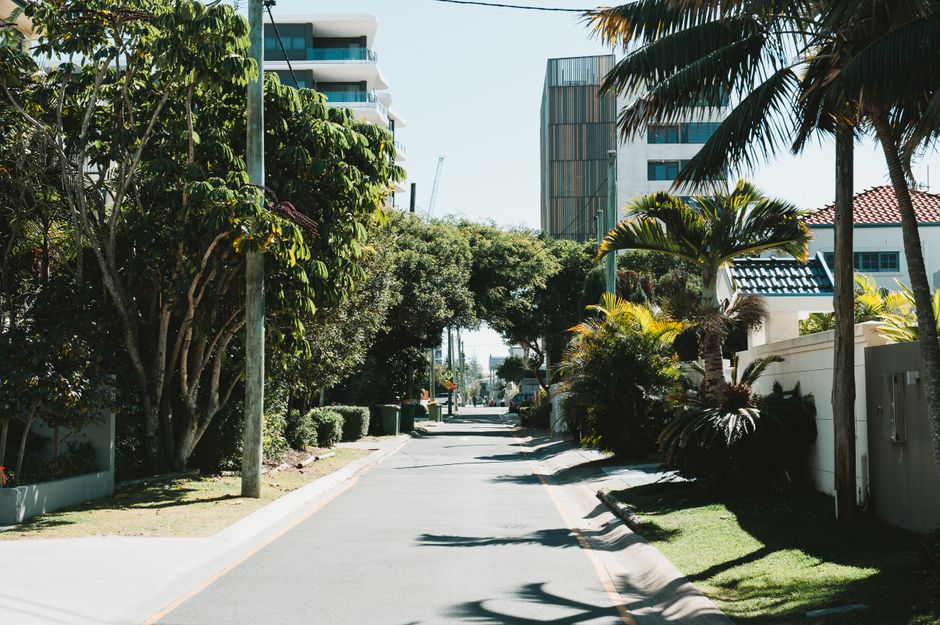
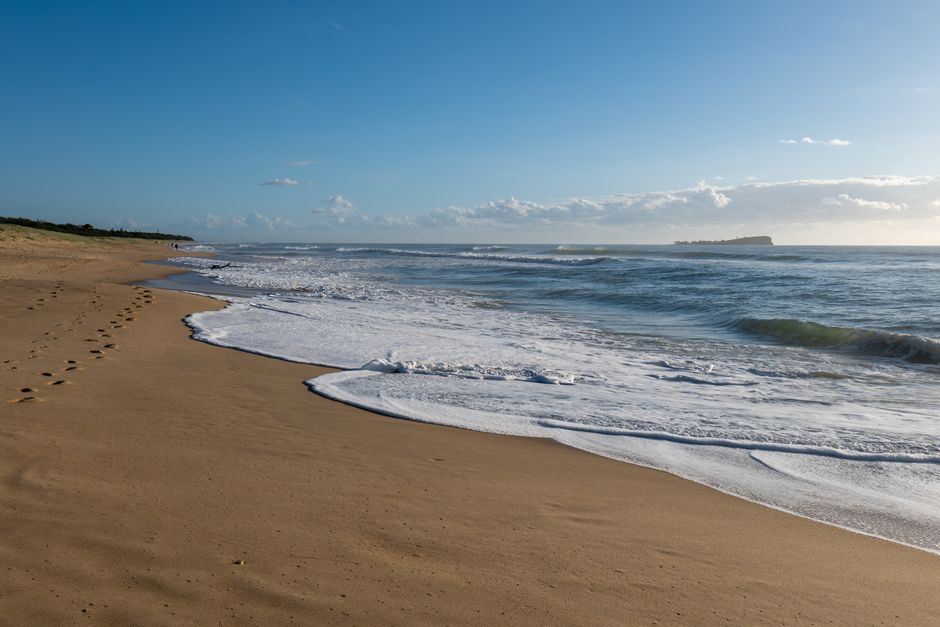
The Sunshine Coast has long marketed itself as a haven for outdoor enthusiasts and nature lovers, but behind the beaches and hinterland vistas lies a more complex reality: how does our city's environmental performance actually compare to global peers tackling the same sustainability challenges?
Recent sustainability audits suggest the Sunshine Coast is making meaningful progress, though not without gaps. The city's renewable energy uptake has reached 34% of grid consumption—respectable compared to Adelaide's 50% and behind Melbourne's 38%, but ahead of comparable mid-sized cities like Brisbane at 28%. The Sunshine Coast Council's commitment to net-zero emissions by 2045 positions us roughly in line with London and Vancouver, though both cities have dedicated significantly more budget per capita to green infrastructure.
Where the Sunshine Coast truly differentiates itself is in coastal adaptation. The Maroochydore Esplanade redevelopment, completed in 2024, incorporated permeable paving and tidal resilience measures that drew international attention from climate adaptation specialists. Compare this to Miami's ongoing struggles with permanent flooding or Rotterdam's more mature approach—the Sunshine Coast's proactive stance came early.
However, disparities emerge in public transport. Our light rail coverage remains limited to the Cotton Tree to Maroochydore corridor, serving roughly 12,000 daily commuters. Sydney's broader network handles 385,000 daily passengers; Copenhagen's integrated system moves over 600,000. This structural limitation means private vehicle dependency remains stubbornly high at 78% for commuter journeys—above the 65% average for comparable global cities.
The Sunshine Coast's waste management initiatives show promise. The Caloundra Materials Recovery Facility, expanded last year, now processes 45,000 tonnes annually with a 71% diversion rate from landfill. It's comparable to San Francisco's sophisticated system, though Frankfurt and Singapore have both achieved 80%+ diversion through more aggressive circular economy policies.
Business engagement tells a different story. The Sunshine Coast Chamber of Commerce reports 234 registered B-Corp enterprises as of June 2026—a 43% increase from 2023. That density per capita slightly exceeds Portland's benchmark, suggesting commercial sustainability commitment here runs deep.
The real challenge emerges when examining water security. With population projected to reach 600,000 by 2031, our three major water sources face increasing pressure. Melbourne's multi-barrier approach—desalination, recycling, and demand management—remains more comprehensive than our current two-pronged strategy.
The Sunshine Coast isn't lagging, but neither is it leading. We're a competent mid-tier performer with particular strengths in coastal resilience and community engagement, yet vulnerable in transport infrastructure and water planning. As global cities increasingly compete for investment and talent on environmental credentials, that middle-ground positioning demands sharper strategic choices in the coming years.
This article was compiled by AI from the sources linked above and screened before publishing. See our editorial standards.