Sunshine Coast at Crossroads: Which Environmental Priorities Will Shape the Next Five Years?
As major sustainability projects reach decision points, the region faces critical choices about coastal protection, renewable energy investment, and urban sprawl.
Our reporters are based in Sunshine Coast and cover local government, business and community. The Daily Sunshine Coast is independently owned and editorially independent. Read our editorial standards →
The Sunshine Coast stands at a pivotal moment. With the regional council's environmental strategy entering its implementation phase, stakeholders from Maroochydore to Noosa are grappling with hard decisions that will define the region's sustainability trajectory through 2031.
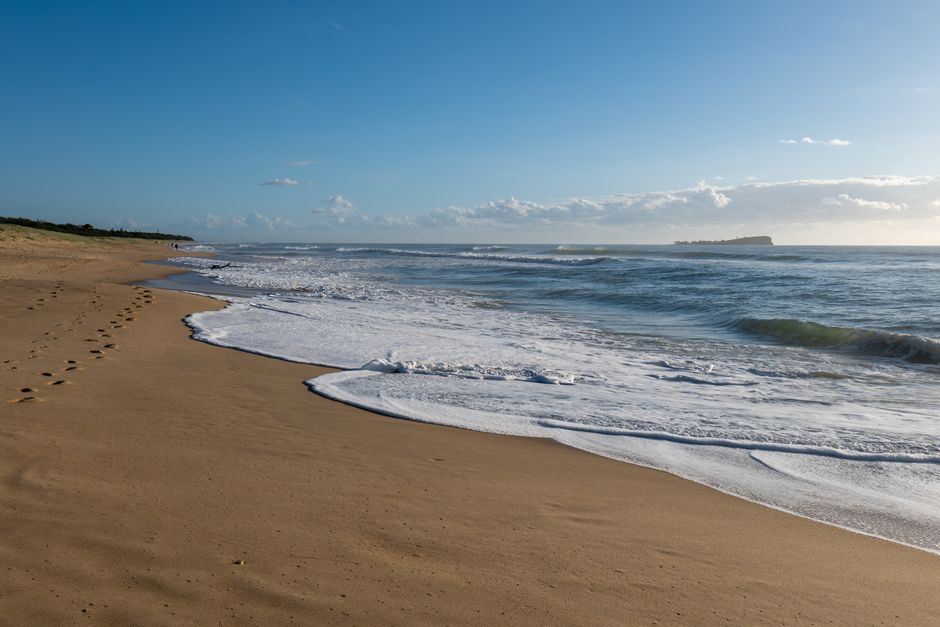
The most pressing question centres on the $340 million coastal protection corridor proposed for Mooloolaba and Alexandra Headland. Engineering consultants have presented two competing designs—a nature-based sand nourishment program versus a hybrid seawall-dune system. The council's Infrastructure Committee meets July 15 to decide which path forward. Environmental groups backing the sand nourishment approach argue it preserves beach amenity and supports marine ecosystems, while property developers favour the seawall option for faster implementation and permanence.
Equally critical is the region's renewable energy future. Noosa's solar farm proposal—a 45-hectare facility on agricultural land near Cooroy—hinges on zoning approval in August. Local farmers have raised concerns about land use competition, but energy modelling suggests the project could offset 8,000 tonnes of annual carbon emissions. The outcome will signal whether the Coast prioritises distributed solar expansion or pursues alternative renewable pathways.
Water management decisions also loom. The Mooloolah River Catchment Council's three-year strategy expires September 30, with pressure mounting to strengthen stormwater regulations across Caloundra, Palmwoods, and Landsborough. Current protocols allow approximately 60 per cent of urban runoff to enter waterways untreated. Tighter standards would reduce pollution but increase development costs by an estimated 4-6 per cent—a trade-off councils must weigh against environmental protection goals.
Transport infrastructure represents another fork in the road. The proposed Bus Rapid Transit corridor linking Kawana to Noosa heads to cabinet review next month. Supporters argue it could reduce vehicle emissions by 15 per cent; critics worry about construction disruption along the Sunshine Motorway corridor and question long-term funding commitments.
Perhaps most significantly, the council's Urban Sprawl Boundary Review—due for completion in October—will determine development limits for the next decade. Current greenfield zoning accommodates population growth projections, but environmentalists are calling for stricter protections on the Blackall Range and coastal hinterland.
These decisions won't be made in isolation. Federal climate funding, Queensland state policy changes, and community sentiment will all shape outcomes. What's clear is that the Sunshine Coast's sustainability credentials—and livability—depend on getting the next phase right.
This article was compiled by AI from the sources linked above and screened before publishing. See our editorial standards.
This article was produced by the The Daily Sunshine Coast editorial desk and covers news in Sunshine Coast. See our editorial standards for how we use AI.
Enjoyed this story? Get tomorrow's briefing free.
Daily brief
Enjoyed this? Wake up to Sunshine Coast news every morning.